


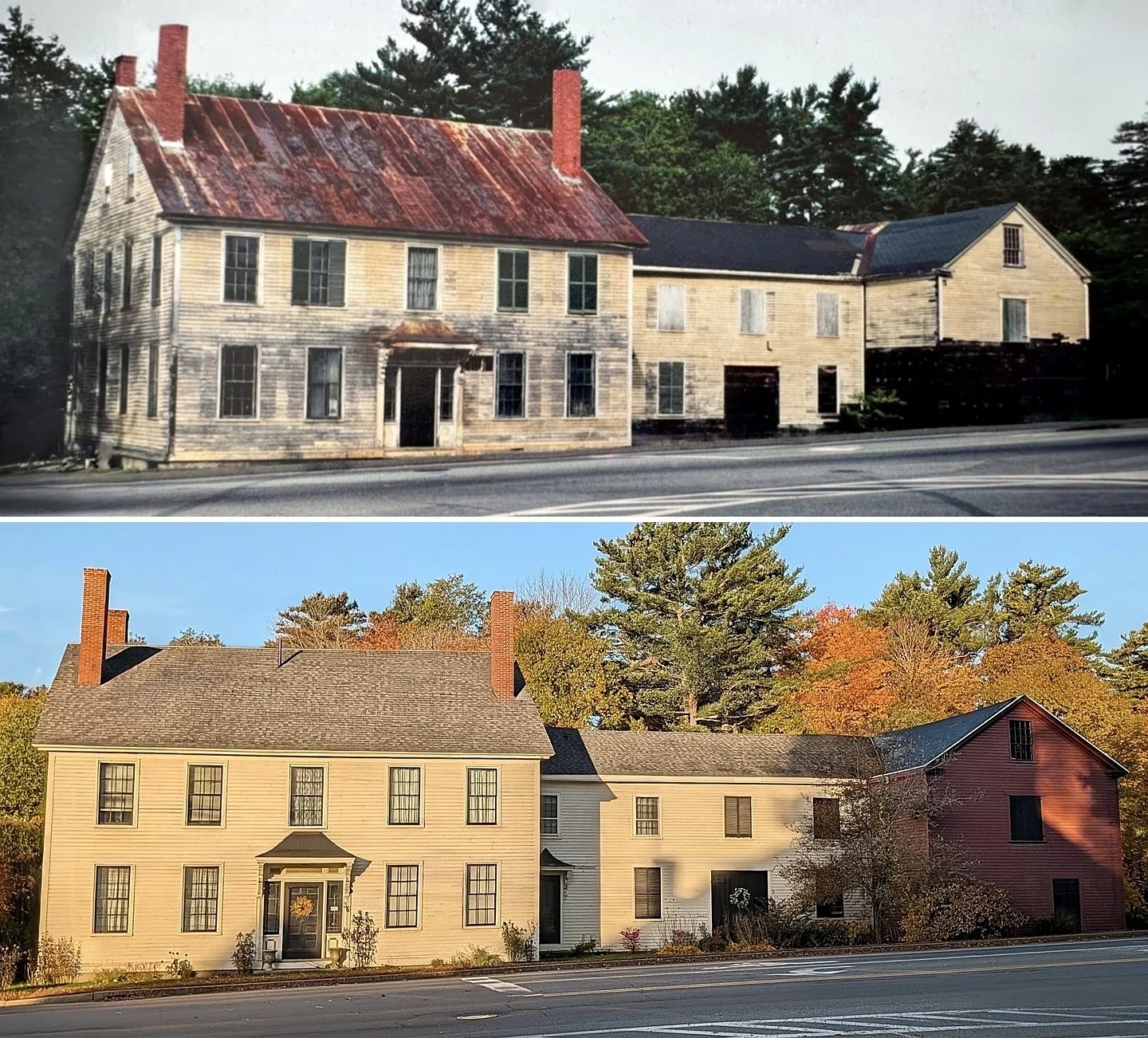
Ask three contractors about restoring an old house, and you may hear the words restoration, renovation and rehabilitation used for exactly the same job. The federal standards for historic buildings do not treat them that way. In the Secretary of the Interior’s Standards, restoration means bringing a house back to how it looked at one chosen period, taking off later additions and rebuilding whatever went missing. Rehabilitation is looser, because it lets owners alter or add to a building for a new use as long as its historic character survives.
When most homeowners say they want a “modern restoration,” they usually mean the second kind of work. They would like to keep the old floors, the tall windows and the plaster moldings, though they also want a kitchen, a bathroom and furniture from this century. Once the job has its right name, you will find it much easier to choose a contractor and to decide which parts of the house should be left alone.
Restoration And Rehabilitation Ask For Different Work
Restoration takes a house back to one moment in its past, whereas rehabilitation keeps its character while allowing changes for modern living. The Standards actually list four approaches, and seeing them together will help you place your own project:
- Preservation: looking after what is already there, with repairs and very little change
- Rehabilitation: updating the house for present-day use, while keeping the features that give it character
- Restoration: returning it to a single period, often by removing work done later
- Reconstruction: building again something that was lost (rare in private homes)
For a family home, strict restoration rarely makes sense. If a 1910 bungalow were taken back to 1910 in every detail, the family would have to give up the dishwasher, the second bathroom and most likely the wall insulation too. So the more accurate name for most of these projects is rehabilitation with a modern interior.
Keep The Parts Of An Old House That Cannot Be Bought New
Many old houses were built from materials that are hard to find today, and some are impossible to buy at any price. Original sash windows, solid wood trim, oak or heart pine floors and lime plaster walls belong in that group, so they should be protected before anything else is touched.
Old Windows Can Match New Ones On Energy
Window replacement companies tend to open their sales pitch with energy bills. The research, however, points the other way. The National Trust for Historic Preservation’s Preservation Green Lab looked at this question in a study called “Saving Windows, Saving Money,” using data from Atlanta, Boston, Chicago, Phoenix and Portland, Oregon. According to its findings, old single-pane windows can save a good deal of energy in all of those climates when exterior storm windows and insulating shades are added to them.
Some of the cheaper upgrades performed nearly as well as high-end replacement windows. These did the best in the study:
- interior window panels
- exterior storm windows used together with cellular blinds
- in some climates, exterior storm windows by themselves
New windows can certainly perform well, but you pay a lot for them at the start, and the lower energy bills take years to cover that cost. Older windows have another point in their favor as well. Many of them were made from old-growth wood, and that timber resists rot and insects better than most lumber sold today.
Repair Floors, Plaster And Trim First
Cracked plaster can usually be fixed back to the lath and patched, so there is seldom any need to rip it out for drywall. Worn hardwood can be sanded and refinished, often more than once in its life, and a carpenter can mill new trim to match a piece that has survived. Before agreeing to any replacement, ask for a repair price, because some contractors quote replacement simply because they do not offer repair work at all.
Houses Built Before 1978 Need Lead-Safe Contractors
Lead-based paint was banned for homes in 1978. If your house was built before that year, the chances are good that lead paint is still hiding under the newer layers. The EPA’s Renovation, Repair and Painting Rule requires a certified lead-safe contractor whenever the work disturbs more than 6 square feet of painted surface indoors or more than 20 square feet outdoors, and any window replacement is covered regardless of size. Sanding old trim or scraping old window frames without proper protection can spread lead dust through the entire house.
Asbestos deserves a thought too. It was used in some popcorn ceilings, pipe wrapping and floor tiles in the middle of the last century, and a small lab test before demolition costs very little compared with a cleanup afterward.
Modern Design Works Best Around The Old Features
In old houses that mix the two styles well, the architecture usually stays old, while the furniture, fixtures and other things that can be moved are allowed to be modern. A clean-lined sofa set in front of a restored fireplace looks intentional. By contrast, if the fireplace has been painted over and boxed in to look modern, visitors tend to read it as a lost feature.
Keep Modern Pieces To The Plainer Rooms
Kitchens and bathrooms are the easiest places for modern design, since very few of them have survived in their original state. Flat-front cabinets, a plain stone counter and bright task lighting will sit happily in an old house, provided the window casings and ceiling heights around them stay as they are.
Repeat One Material To Tie Old And New Together
Choosing one material and using it in both old and new parts of the house helps them feel related. With warm oak floors, for instance, a modern kitchen will look at home if it has oak shelves or an oak dining table. The brass on an original door handle can be matched in new light fixtures in the same way.
Lighting Changes How Old Rooms Feel
Plenty of older homes were wired with a single ceiling light in each room, and some rooms had none. Floor lamps, wall sconces and picture lights add modern comfort without cutting new holes in old plaster ceilings. If you would rather not open the walls at all, plug-in sconces are a useful choice.
Can a fully modern kitchen work inside a 1920s house?
Yes, it can, so long as the kitchen keeps the room’s proportions. Leave the original window openings and the ceiling height alone, and let the cabinets and fixtures do the modern part.
Plan The Work So Nothing Is Done Twice
Old house projects tend to go over budget when finished surfaces have to be pulled up again for work that ought to have happened earlier. Most experienced builders follow an order close to this one:
- the roof, the foundation and any structural repairs
- electrical, plumbing and heating, while the walls and floors can still be opened
- windows and insulation
- plaster and other wall repairs
- floor refinishing, saved for near the end so the trades do not scratch it
- paint, lighting, furniture and decoration
If the floors are refinished before the plumber has finished, they will very likely need sanding again, and you will end up paying for the same job twice. Sticking to the sequence above keeps that from happening.