


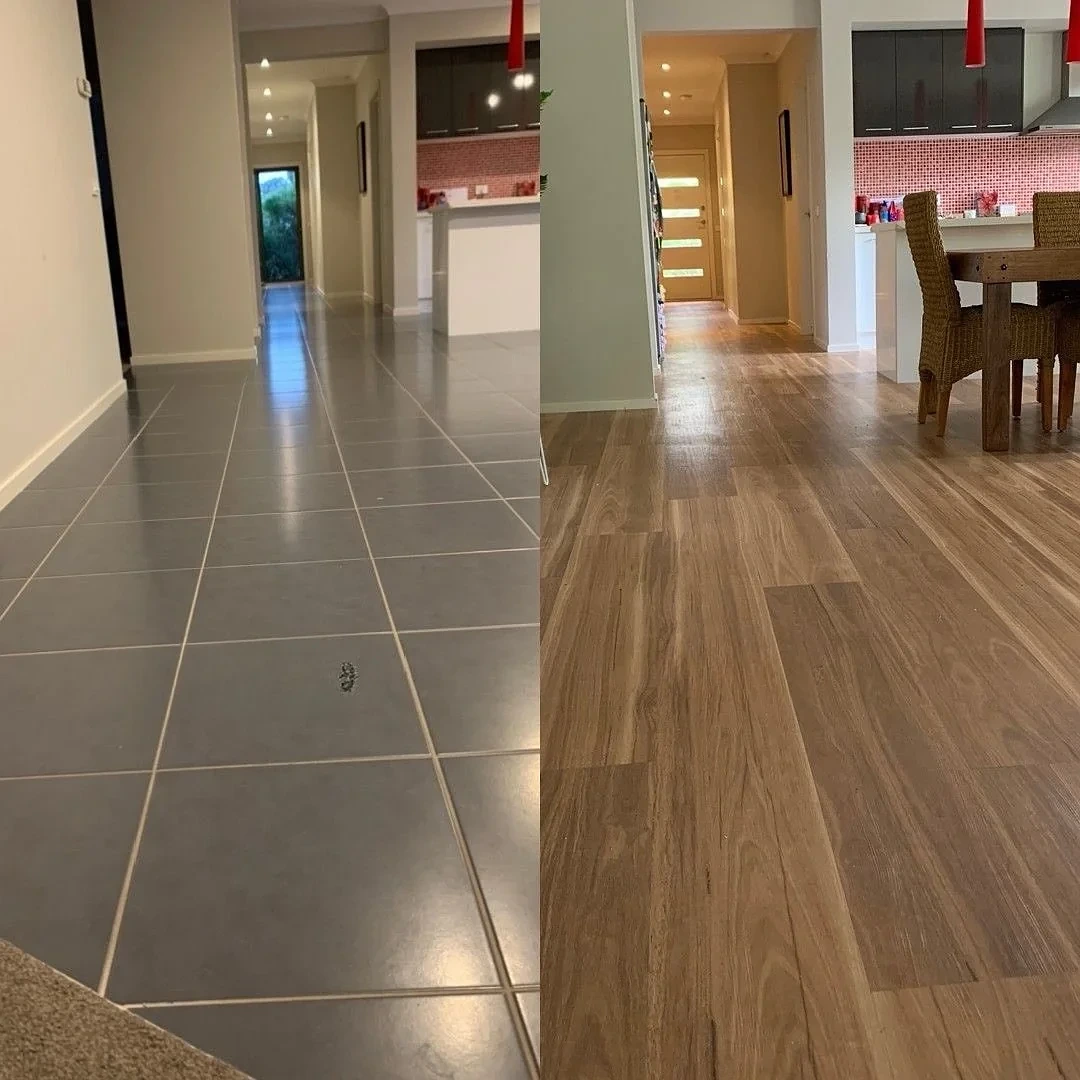
If you live with cork floors, you already know why people fall in love with them. They stay warm under bare feet on winter mornings, quiet down footsteps in busy hallways, and forgive dropped coffee mugs far better than porcelain tile ever will. Yet when it comes to clean cork flooring, treating it like vinyl or ceramic tile is the fastest way to dull the surface and swell the seams.
Cork is harvested from the bark of cork oak trees, which means it shares a lot of DNA with natural hardwood. Most planks are sealed at the factory with tough coats of polyurethane or water-based acrylic, giving you solid everyday protection against spills and scuffs. Even with a good topcoat, though, standing water and harsh detergents will eventually find their way into the tongue-and-groove joints. Keeping cork clean is less about heavy scrubbing and more about gentle, low-moisture habits.
Know What Is Sealing Your Floor First
Before using any liquid cleaner, it helps to know what kind of finish sits on top of your cork. Nearly all modern floating planks and glue-down tiles are sealed with polyurethane or a commercial acrylic resin. These finishes look like a subtle satin sheen and handle occasional damp mopping without any drama.
Older installations or custom artisan cork tiles are sometimes finished with natural carnauba wax or penetrating oil instead. Waxed cork hates water and soap wet mopping turns the finish cloudy and strips away the protection. If you moved into a house with existing cork and aren’t sure what is on it, place a single drop of water in an out-of-the-way closet corner. If the water beads up tightly like it would on a freshly waxed car, you have a polyurethane seal. If the cork darkens and absorbs the droplet within a minute, you are dealing with either a wax finish or an older polyurethane coat that needs to be refreshed.
Everyday Dusting Matters More Than Mopping
The real enemy of any sealed wood or cork floor isn’t spilled juice it is dry grit. Tiny grains of sand, dried mud, and pet dander tracked in from outside act like fine-grit sandpaper every time someone walks across the room. Left sitting on the surface, that grit slowly etches micro-scratches into the topcoat until high-traffic paths start looking hazy.
A quick pass every couple of days with a soft-bristle broom or a dry microfiber dust mop takes care of ninety percent of your floor maintenance. If you prefer vacuuming, use a canister model or switch off the spinning brush roll on your upright vacuum. Stiff, rotating beater bars can leave faint swirl marks across a satin finish, whereas straight suction with a felt-lined bare-floor head pulls dust cleanly out of beveled plank edges.
How to Mop Cork Floors Safely
You really only need to damp mop cork every two or three weeks, or whenever kitchen splatters and muddy paw prints make dry sweeping fall short. Forget the traditional mop bucket; wringing out a string mop by hand almost always leaves too much water behind.
Instead, use a flat microfiber spray mop paired with a pH-neutral cleaner made specifically for hardwood or cork. If you prefer mixing your own solution at home, combine one quart of warm water with a single teaspoon of mild, dye-free liquid dish soap in a spray bottle. For polyurethane-sealed floors, you can add a splash about a tablespoon of plain white vinegar to cut through kitchen grease, though you should skip the vinegar entirely on waxed floors.
Mist a small section of the floor lightly rather than soaking it, then wipe with a barely damp microfiber pad following the direction of the planks. The moisture should evaporate within two or three minutes. If you see streaks or wet spots lingering near the baseboards, buff them dry with a clean cotton towel before moving on.
Cleaners and Tools That Ruin Cork
Because cork is so often chosen for modern home projects alongside other sustainable materials, homeowners sometimes assume any “all-purpose” or “natural” household cleaner is safe to use on it. Several common products will actually ruin the finish in one afternoon:
- Steam mops: The combination of high heat and pressurized moisture forces steam past the sealant and softens the underlying cork and adhesives, causing planks to cup and peel at the edges.
- Oil soaps and furniture polish: Products designed to make old wood shine leave behind a waxy silicone or oil residue on sealed cork. That film traps dirt and makes it nearly impossible for a fresh coat of polyurethane to bond later when you want to refinish the floor.
- Ammonia, bleach, and abrasive powders: Strong alkaline cleaners chemically break down water-based acrylic finishes, while scouring pads scratch right through the clear coat.
Small Habits That Add Years to the Floor
Cork feels comfortable because its cellular structure compresses slightly under weight and bounces back. Sharp, concentrated loads like narrow dining chair legs or heavy bookcases can push past that elastic limit and leave permanent dimples. Putting thick adhesive felt pads under every piece of furniture saves you from seeing little craters every time you rearrange a room.
It also helps to place woven cotton or coir mats inside exterior doorways to catch gravel before it reaches the cork, making sure to avoid rubber or latex rug backings that can chemically discolor polyurethane over time. Keep indoor humidity roughly between 35 and 55 percent through the changing seasons, and your cork floors will stay tight, quiet, and rich-looking for decades.